


Running out of battery during a busy travel day or commute disrupts navigation, work, and communication immediately. A portable charger stores chemical energy in lithium cells and converts that potential into electrical current for connected phones or laptops. Understanding how does a usb power bank work helps shoppers separate nominal battery capacity from delivered energy, preventing dead devices during emergencies. Checking a detailed specs comparison of power bank features clarifies why internal circuit boards must step voltage up or down to match device requirements.
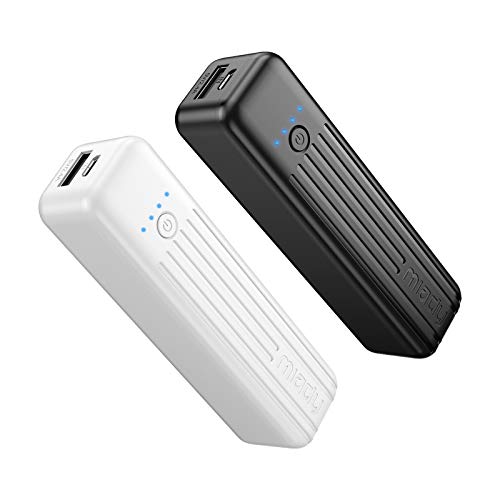
Internal control circuitry regulates current flow while multi-protection safeguards guard against short circuits, overheating, and overcharging. Hardware options range from lightweight Miady 5000mAh pocket packs to heavy-duty Krisdonia 60000mAh units featuring an AC outlet. Higher stored capacity expands available runtime, but it introduces obvious physical size and weight tradeoffs for your bag. Fast charging protocols like USB Power Delivery and Quick Charge negotiate exact wattage levels between the power bank and connected electronics, ensuring rapid energy transfer without thermal damage.





Frequently Asked Questions
How does a USB power bank regulate voltage when charging devices?
Internal DC-DC boost converters automatically adjust internal battery cell voltage to the specific electrical standards demanded by connected devices. Standard USB connections draw 5 volts, whereas modern USB Power Delivery protocols negotiate higher levels like 9V, 15V, or 20V. High-output models like the JUOVI 90W laptop charger adjust output profiles dynamically to power laptops safely while stepping down for smaller mobile gear. This continuous voltage regulation protects delicate smartphone circuits from unexpected electrical spikes.
Why is usable battery output lower than the advertised mAh rating?
Voltage conversion and circuit resistance consume approximately 20 to 35 percent of stored chemical energy during power transfer. Internal lithium cells operate at a nominal 3.7 volts, requiring step-up conversion to supply standard 5V USB ports, which generates minor heat loss. A unit rated at 30,000mAh, such as the Clemm Portable Charger, delivers usable runtime based on total watt-hours rather than direct milliampere-hour figures. Checking listed watt-hours provides a far more accurate representation of total device charges.
Can a USB power bank recharge a laptop?
Yes, provided the power bank supports compatible USB Power Delivery wattage and supplies the voltage profile required by your laptop. Standard phone batteries providing 12W output cannot trigger charging on modern USB-C laptops. High-output units like the Talentcell NB7102 deliver up to 60W through USB-C, while the JUOVI portable charger provides up to 90W for demanding notebooks. Always match the power bank’s maximum USB-C PD wattage with your laptop’s specific input requirements before buying.
How does pass-through charging function on portable battery packs?
Pass-through charging directs incoming power from an outlet to connected devices while simultaneously replenishing the internal battery cells. Internal power management chips divide incoming current, letting you charge a smartphone and the battery pack from a single wall plug. The Krisdonia AC Outlet 60000mAh unit includes manual pass-through activation for campsite and emergency setups. Travelers who want integrated wall charging without loose cables can also explore a best Anker power bank with wall plug review for streamlined travel power.
Do all USB-C power banks support fast charging protocols?
No, a USB-C port design only indicates the physical connector shape and does not guarantee USB Power Delivery or fast charging speeds. Basic USB-C ports often deliver standard 5V charging without rapid protocol negotiation. Quick charging requires supported protocols such as USB PD, PPS, or QC 3.0 to deliver higher wattage safely. Budget shoppers researching a universal Anker power bank under 25 dollars should inspect port specifications carefully to confirm whether rapid charging is supported.




Write Your Review
No reviews yet. Be the first to share your experience!