


Multi-day mountain ascents push consumer electronics to their limits because freezing nighttime temperatures accelerate cell discharge while wall outlets remain nonexistent. Running out of power mid-trek disables vital offline navigation, headlamps, and camera gear before reaching the summit. Selecting the best power bank for kilimanjaro requires evaluating battery capacity, durable casing, and compatible USB-C charging protocols to support gear across the mountain. Reviewing a detailed specs comparison of power bank features helps determine what capacity will realistically survive days away from an electrical outlet.
Weight penalties matter during steep climbs, making the balance between heavy milliamp-hour reserves and trail portability a crucial purchasing decision. Off-grid battery packs from 24,000mAh up to 38,800mAh offer multi-device charging capabilities, but bulk and watt-hour ratings vary. Units featuring emergency LED lights or AC outlets deliver added utility for base camp shelters, while compact multi-port designs minimize clutter inside your daypack.

Frequently Asked Questions
What capacity is ideal for the Best Power Bank For Kilimanjaro in 2026?
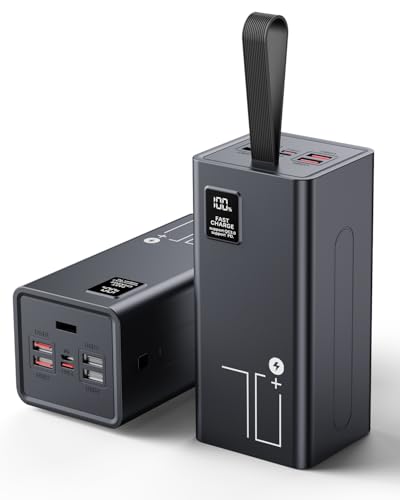
A capacity between 20,000mAh and 38,800mAh is ideal for extended mountain expeditions. Treks lasting several days require multiple recharges for smartphones, headlamps, and action cameras without wall power. Cold weather also reduces usable efficiency, making larger reserves essential while balancing carrying weight during the ascent.
Can you take a high-capacity power bank on flights to Kilimanjaro?
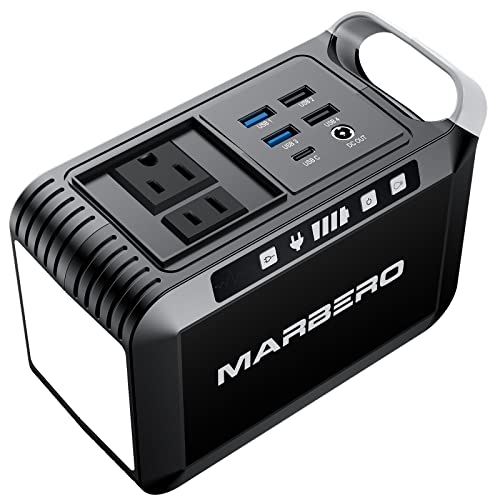
Airline rules generally restrict carry-on lithium-ion batteries to 100 watt-hours (Wh) without special approval. The MARBERO Portable Power Bank lists an 88Wh rating, which falls under this standard threshold for carry-on luggage. In contrast, larger batteries like the 38,800mAh unit explicitly note they cannot be carried on flights. Always keep approved power banks in carry-on luggage because spare lithium cells are prohibited in checked bags.
How does freezing weather impact a portable charger on Kilimanjaro?
Sub-zero temperatures temporarily diminish chemical reaction efficiency inside lithium cells, causing faster voltage drops and reduced delivered runtimes. Keeping your portable charger insulated inside a sleeping bag at night or close to your body in a pack maintains optimal operating temperature. Avoid charging cold devices until the battery pack warms slightly to prevent internal strain.
Can a power bank recharge cameras and laptops at base camp?
Yes, models equipped with dedicated AC outlets or high-wattage USB-C ports can power larger electronics. The MARBERO unit provides an 80W continuous AC outlet capable of handling camera battery docks and small electronics below 80W. Exploring an off-grid option like a solar power bank rivanta can also supply supplementary daytime recharging if compatible panels are carried.
How many output ports do you need for a multi-day trek?
At least three to five output ports are recommended if you need to recharge multiple devices simultaneously overnight. Having USB-A and USB-C connections lets you power a phone, GPS watch, and headlamp at the same time in your tent. For hikers keeping gear minimal, evaluating an alternative like a universal anker power bank under 25 dollars offers a lighter secondary backup approach.






Write Your Review
No reviews yet. Be the first to share your experience!